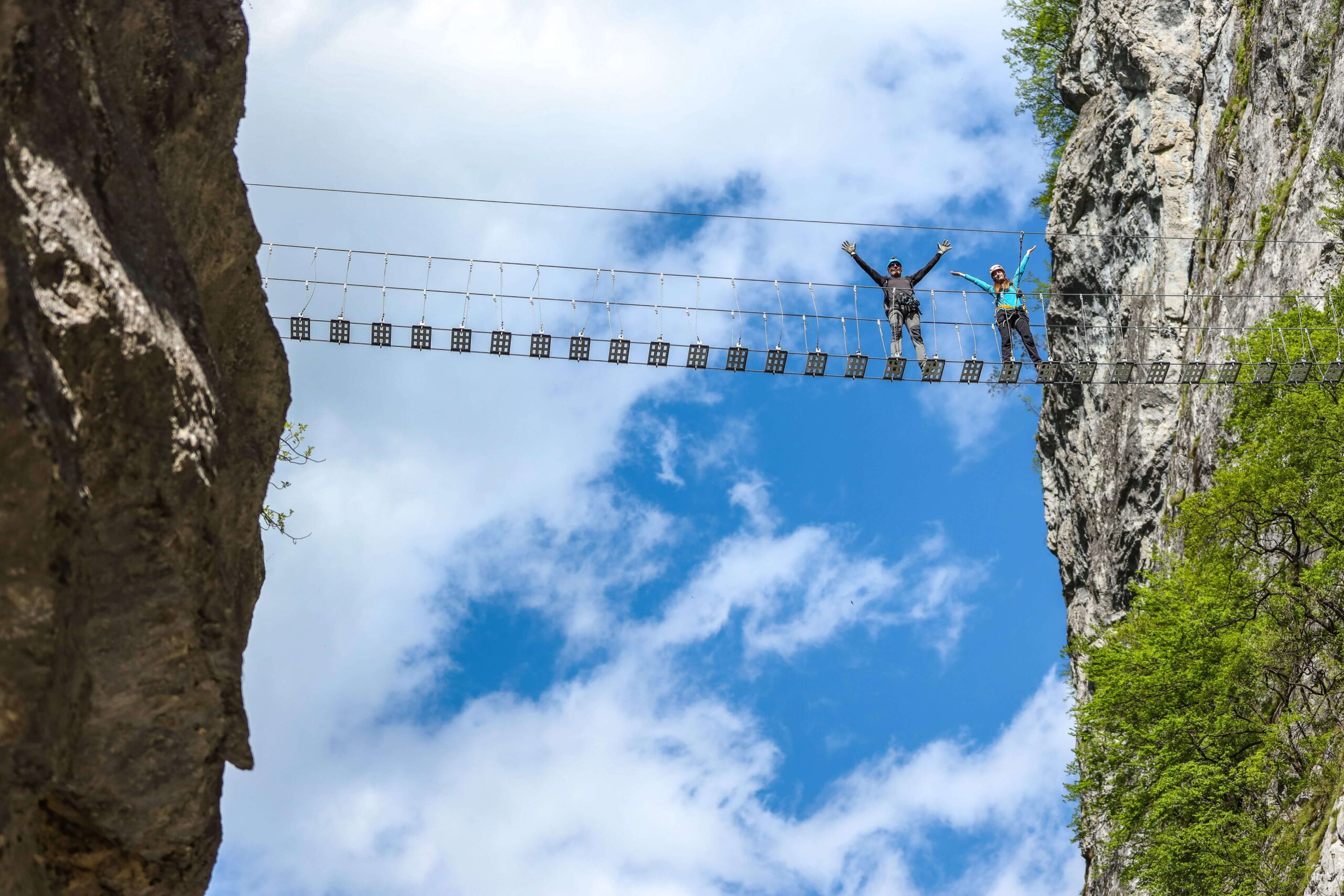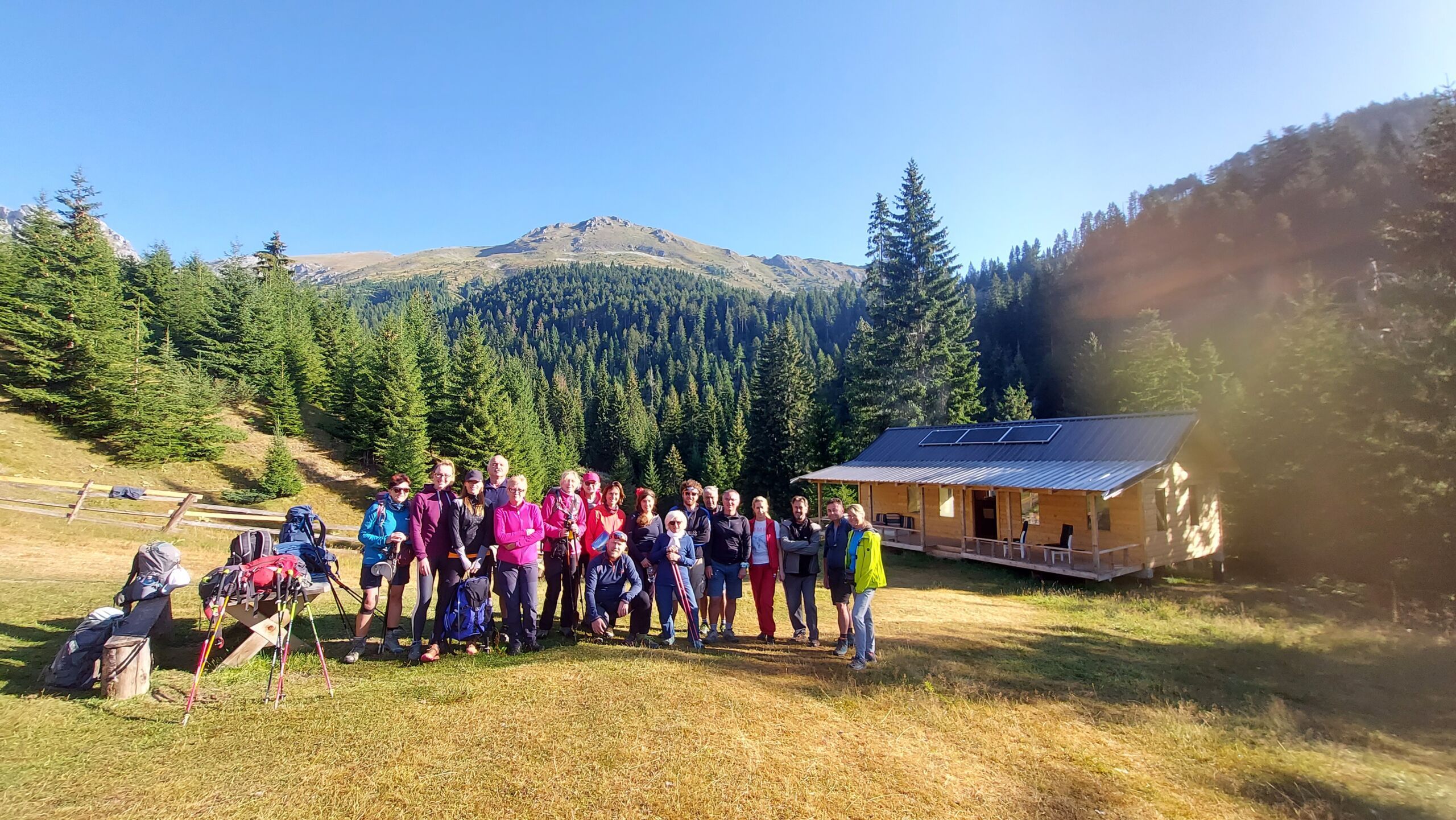
Accommodation on the Peaks of the Balkans trail is unlike anything you will find on other long-distance hikes in Europe. You are not sleeping in mountain huts managed by alpine clubs. You are sleeping in family homes — houses where the grandmother cooked the bread you are eating, where the son guided hikers over the pass that morning, and where the family’s livelihood depends directly on how well they treat you. Some of them have developped in boutique HOtel especially in Theth and Valbone.
These family-run guesthouses, known locally as Bujtina, are one of the defining experiences of the Peaks of the Balkans. This guide covers everything you need to know: what to expect, what to pay, where to book, and which villages have limited capacity that will catch you off guard if you leave booking too late.
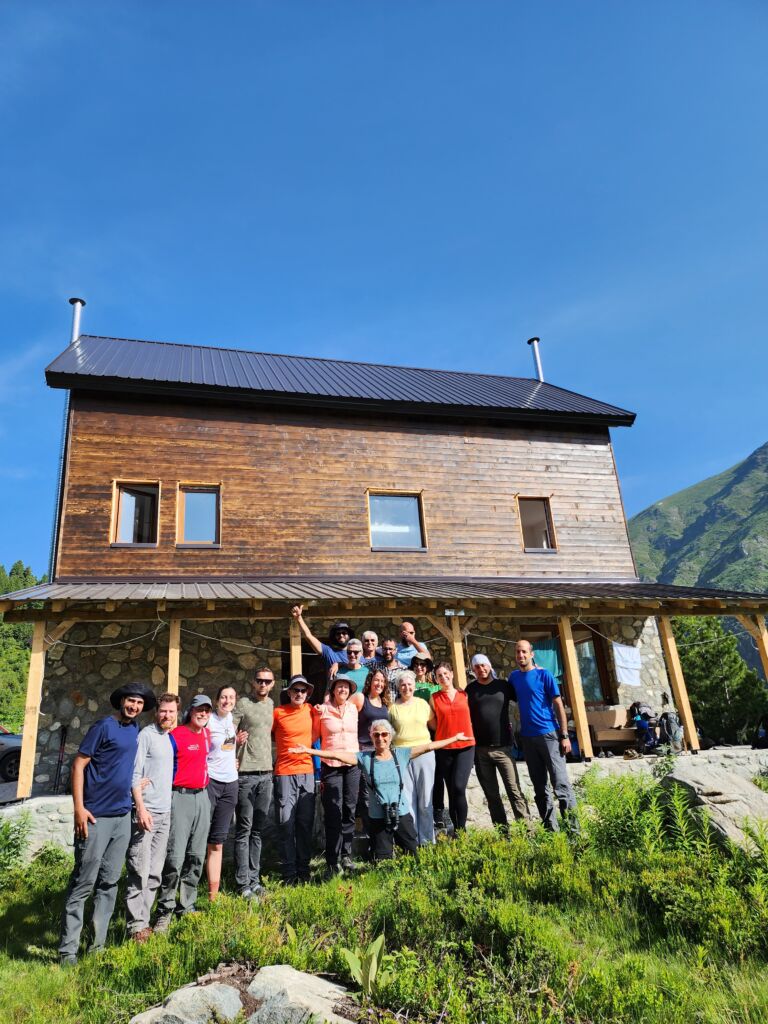
Guest House Gacaferri
Quality varies significantly along the trail — from simple dormitories with basic facilities to comfortable, cozy guesthouses with excellent food. What almost all of them share is warm hospitality and a spectacular setting in the heart of the Accursed Mountains.
Almost all guesthouses along the Peaks of the Balkans trail are able to provide all your meals — dinner, a packed lunch, and breakfast. In larger towns this is not always guaranteed, but your host will point you toward a nearby restaurant if meals are not available on site.
Breakfasts are simple and mostly homemade: bread baked that morning, vegetables mostly cucumber and tomatoes, dairy products, and eggs. Dinners include traditional soups, meat dishes, vegetables, and pies. Guesthouses also provide a packed lunch for the trail — typically a sandwich with cheese and vegetables. Vegetarians and those with dietary requirements are catered for, though choices are basic. Balkans Hiking
One thing worth knowing: you can refill your water bottle from mountain streams or guesthouse tap water along most of the trail, as this is drinkable water. If you have concerns about untreated water, bring water purification tablets.
As a general guide, expect to pay around €55 per person per night for a private room in an upscale guesthouse or hotel, and around €40 per person per night for a shared room in a standard guesthouse. Prices are charged per person regardless of whether you are a solo traveler in a private room or sharing with a partner or group. Peaks of the Balkans
Packed lunches typically cost €5 per person, ranging between €3 and €8. Dinners, when not included, cost between €10 and €15 per person.
Cash only. Most guesthouses on the Peaks of the Balkans trail accept cash only, usually in Euros. ATMs are extremely limited once you leave major towns like Shkodër or Plav. Plan your entire cash budget before you set off — including a buffer for drinks, snacks, and tips.
For hikes between June and September, book your accommodation 1 to 3 months in advance. Outside peak season, a few weeks is usually sufficient, and in some cases you can arrive without a reservation. The accupancy rate and capacitu changes from one place to the other. As Theth and Valbona have big capacities, places like, Cerem, Doberdol, Gacaferi, have smaller capacity.
Most guesthouses can be booked directly through online platforms or Google Maps. Because some accommodations use basic management systems, booking errors or double bookings can occasionally happen — but hikers are never left without shelter. The local community always finds a solution. However late booking and self booking will give you less qualitative accomodiation. Balkans Hiking
One important factor to plan around: large tour groups are common on this trail. Some operators bring groups of up to 40 people twice a week, and a single group can take over an entire guesthouse, leaving little to no space for independent hikers. In small villages like Çerem, Dobërdol, and Milishevc — which have only a handful of beds — this is a serious risk.
At Balkan Natural Adventure, we handle all accommodation bookings as part of our guided and self-guided packages, so you never need to worry about availability.
Theth is one of the two most developed areas on the trail and offers the highest number of accommodations. During peak summer season it fills up completely. Balkans Hiking There are traditional family guesthouses as well as more modern options. Book early — this is non-negotiable in July and August.
Alongside Theth, Valbona is the most developed stop on the trail with the widest range of places to stay. Balkans Hiking
The most iconic guesthouse here is Guesthouse Kol Gjoni — founded in 1992 by Kol Gjoni and his wife Liza. Kol had only eight years of formal schooling, but the intelligence and vision he showed in building tourism in this remote valley, long before anyone else saw the potential, is remarkable. Together, he and Liza opened their home to the first foreign visitors — initially Italians, then hikers from across Europe — and created what is now one of the most recognized guesthouses on the entire Balkans hiking circuit. The trail section from Theth ends at Guesthouse Kol Gjoni, making their home literally the landmark that greets every hiker arriving into Valbona.
Today Kol and his son Bledar run the guesthouse together, with Bledar also working as a certified hiking guide. Tripadvisor
Çerem is small, traditional, and books up fast.There are very few beds available, and groups regularly fill the village completely. This is one of the stops where booking through an operator — rather than independently — gives you the most security.
Dobërdol is a remote high-alpine settlement with very few beds Balkans Hiking — one of the lowest-capacity stops on the entire trail. The Leonardi Guesthouse in Dobërdol offers comfortable accommodation, three daily meals, camping space, and friendly staff — an ideal stop for hikers on the Peaks of the Balkans. Peaks of the BalkansPrivate bathrooms are not available here.
Gacaferi lies outside the original trail and till lately had only one guesthouse. Two more have been opened. This is not a village in the traditional sense — it is a high-altitude shepherd’s summer camp. The remoteness is part of the appeal, but capacity is extremely limited. Gacaferi pastures, like Milishevc, are not permanent villages but seasonal camps — which makes this section of the trail among the most special and isolated on the entire route. Balkans Hiking
Guesthouse Lojza in Milishevc was opened when the trail was first created. Its host, Zeke Ahmetgjekaj, has been welcoming hikers for many years and takes genuine pride in a guest list that spans dozens of countries. Peaks of the Balkans.
Other guest houses are Kulla, and Challe Rusta. One should be carefull as these accomodiations in the Peaks of the Balkans are scattered and with distances of more than a kilometer from each other.
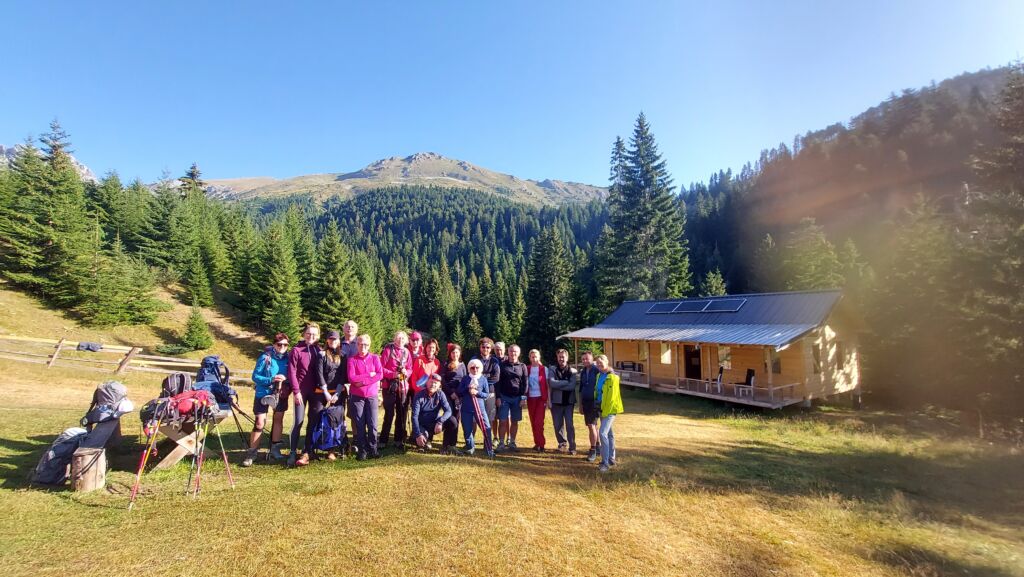
The solar powered kitchen in Lojza Milishevc
Guesthouse Shqiponja in Drelaj is the original guesthouse established when the trail was first created. It is often used as a restaurant by day hikers and snowshoers, and its main advantage is easy road accessibility combined with a direct connection to the Peaks of the Balkans trail. Peaks of the Balkans
Drelaj has two more guest houses Drelaj and Bujtina Kaçaku
Guesthouse Hana in Plav sits just 5 minutes from the town center and 10 minutes from Lake Plav. It offers comfortable accommodation, homemade meals, parking, and free Wi-Fi. Peaks of the Balkans Plav is one of the three main entry points for the trail and a solid base before heading into the mountains. Plav has many hotels and accomodiation, but the feel is different from those in the mountain as this is a bigger town.
Babino Polje is the first place you enter in Monmtenegro from Kosovo. It is the most remote place in the Montenegrin Part of Peasks of the Balkans. The first Guest House to be opened was Eko Hrid, of Enes Dreshkovic, and Triangle Guest house, which for some time was closed. The offer here is fairly wide and the accommodations are next to each other. On demand Eko Hrid opens also in winter.
Gazmend Vucetaj has converted his property into a small mountain cabin hotel in Gusinje/Vusanje, with individual cabins offering beds with clean sheets and water access. The guesthouse is new, and the family is investing their passion for hospitality into building the best possible experience for guests. Peaks of the Balkans
As Vusanje is an old settlement it has many other accommodations and most f them are in booking.com and airbnb.
Here you can find many guest houses and accommodations which were built or adopted since the trail began. The first one was Guest House Ariu of Mustafe and Fetije Nikqi, who are also community leaders and pioneers of the trail. Some accommodation is organised as villas to be rented fully, which are more for the taste of local people.
Further in the mountain there is an very nice Guest House that opens on demand the Guest House Hajla, managed by Fatos Lajqi an environmentalist and community leader.
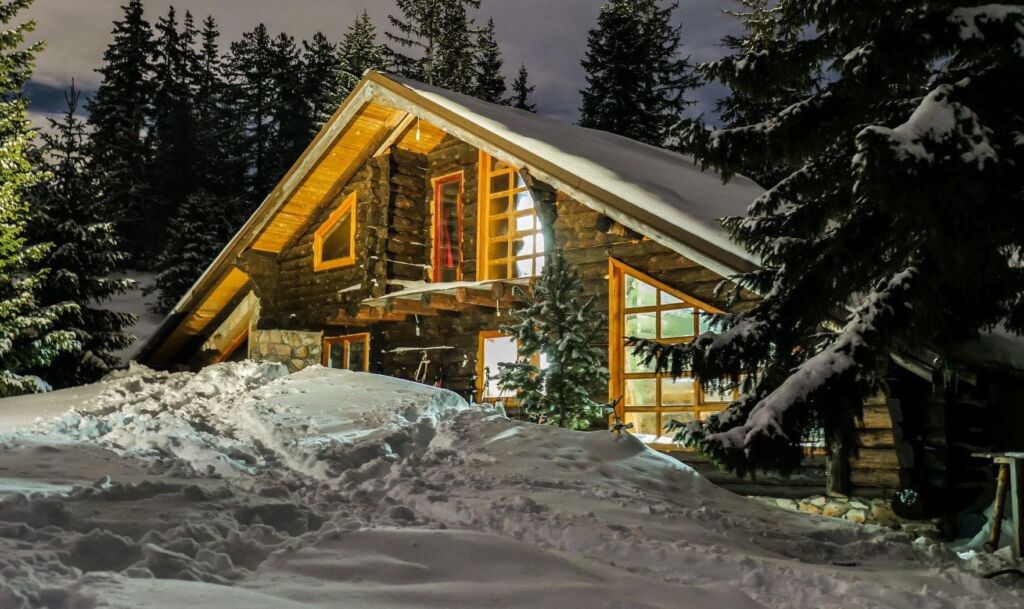
The guesthouses on this trail were not built by hotel chains or tourism agencies. They were built by local families who took a risk, opened their homes, and created something that now draws hikers from every continent.
Eco Hrid Guesthouse is one of the pioneers along the trail, known for its warm hospitality and authentic local character — clean, cozy, and well-maintained. Peaks of the Balkans
Ariu Guesthouse, run by local couple Mustafa and Fetije Nekqi, is another pioneer in regional tourism — well located just 2.5 hours from Hajla Peak and well known for its traditional Kosovo cuisine. Peaks of the Balkans
And above all: Kol Gjoni, the man who started it all in Valbona in 1992, with only eight years of school and the determination to show the world what this valley was worth.
1. Carry enough cash from day one. After Shkodër, Bajram Curri, and Plav there are no ATMs. Calculate your full budget — accommodation, meals, drinks, tips — before you start.
2. Book 1–3 months ahead for summer. For peak season hiking between June and September, booking 1 to 3 months in advance is strongly recommended. TMBtent Showing up without a reservation in July is a gamble you will likely lose.
3. Confirm meals when booking. Always ask whether breakfast, dinner, and a packed lunch are included or charged separately. The answer varies by guesthouse and can affect your daily budget significantly.
4. Wi-Fi exists — but don’t rely on it. Almost all guesthouses have Wi-Fi in varying degrees of usability — mostly good. Download your offline maps, permits, and emergency contacts before you leave a town.
5. Double bookings happen — stay calm. Even when a booking error occurs, hikers are never left without a place to sleep. The local community always finds a solution. Balkans Hiking This is the Balkans — hospitality is not a policy, it is a value.
1. How much does accommodation cost on the Peaks of the Balkans trail? Expect to pay between €40 and €55 per person per night, typically including all meals — breakfast, dinner, and a packed lunch for the trail.
2. Do I need to book accommodation in advance? Yes, especially for July and August. Small villages like Çerem, Dobërdol, and Milishevc have very few beds. Book 1–3 months ahead for summer hiking.
3. Do guesthouses accept credit cards? Almost none. Bring sufficient cash in Euros before leaving major towns. There are no ATMs on the trail itself.
4. Are meals always included? In most guesthouses, yes — full board is the standard. In larger towns it varies. Always confirm at the time of booking.
5. What is the most famous guesthouse on the trail? Guesthouse Kol Gjoni in Valbona — founded in 1992 by Kol Gjoni and his wife Liza, who were the first to build tourism in this valley. The trail from Theth ends at their door.




Balkan Natural Aventure is leading tour oprator in the region. We were featured to major newspapers and hold a partner status with travelife certifier.
Destinations
Locations
Balkan Natural Adventure Sh.P.K
Edit Durham, nr 7
30000 Peje, Republic of Kosovo
Balkan Natural Adventure Albania
Rr. Milto Tutulani nr 26/8
1010 Tirana, Albania