
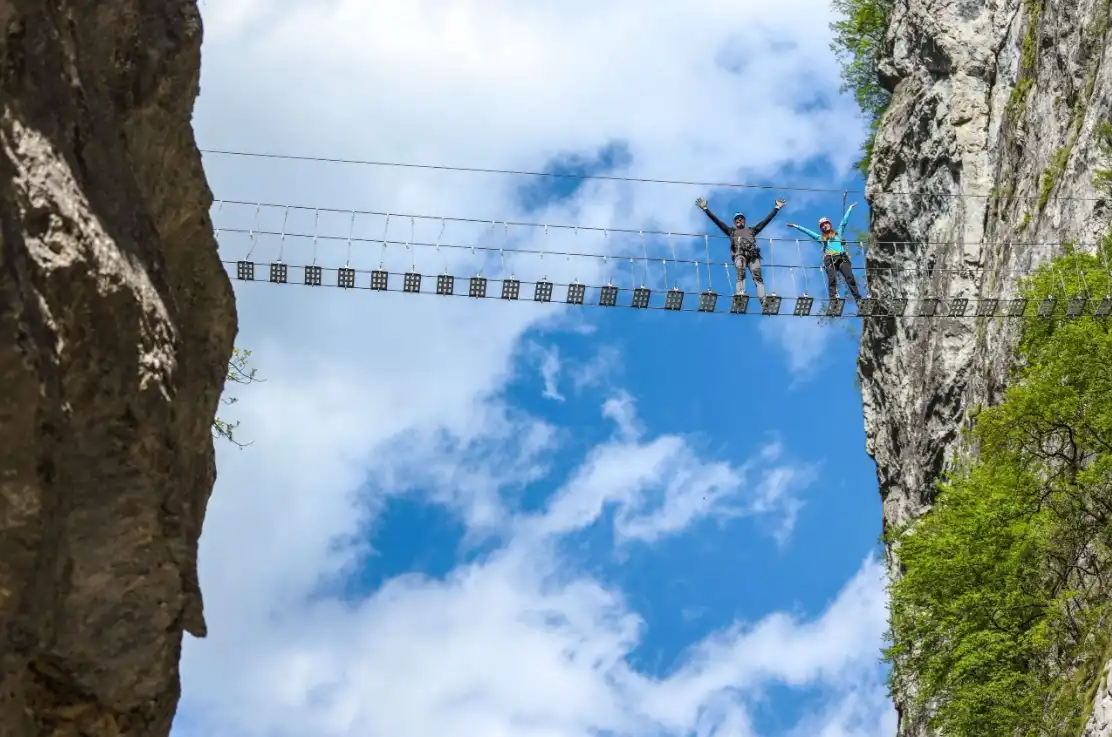

From Afrika to Balkans
From Ethiopia’s highlands to the mountains of the Western Balkans, tourism is creating new economic opportunities for remote communities. But how can destinations grow without losing the things that make them special?
Mountain tourism has a particular challenge. The landscapes that attract visitors are often fragile, difficult to access and home to communities with limited economic opportunities.
Tourism can bring new income, support local businesses and encourage younger generations to remain in rural areas. But uncontrolled development can also damage natural environments, increase pressure on local resources and gradually replace traditional ways of life.
Across the world, mountain destinations are experimenting with ways to balance these competing demands. Two interesting examples are the Ethiopian highlands and the Peaks of the Balkans, a cross-border trekking route connecting Albania, Kosovo and Montenegro. Although separated by thousands of kilometres, these mountain regions face some surprisingly similar questions.
Tourism should benefit the people who live in the mountains
One of the most important principles of sustainable tourism is ensuring that local communities receive a meaningful share of the money visitors spend.
In the Peaks of the Balkans, a network of family-run guesthouses has developed along traditional mountain paths. Instead of relying exclusively on large hotels, trekkers can stay with local families, eat regional food and use services provided by people living directly along the route. This creates income for accommodation providers, guides, drivers, farmers and other small businesses. The model has also helped give new economic value to buildings and communities that had experienced decades of migration and declining populations.
The Ethiopian highlands offer similar opportunities. Local trekking guides, mule handlers, cooks, drivers and accommodation providers can all benefit from visitors exploring the country’s mountain landscapes.
“”Sustainable tourism is not just about protecting beautiful landscapes and wildlife; it is also about creating meaningful economic opportunities for the people who call these destinations home. By involving local guides, accommodation providers, farmers, artisans and small businesses in the tourism value chain, we help ensure that tourism income reaches local communities, supports livelihoods and encourages the preservation of cultural and natural heritage. At Travel Ethiopia, we believe that responsible tourism should create lasting benefits for both visitors and host communities”, says Mrs. Samrawit Moges Managing Director, Travel Ethiopia
The key question is not simply how many tourists arrive, but how much of their spending remains within the communities hosting them. A destination receiving fewer visitors but distributing the economic benefits more widely may create greater long-term value than one focused only on increasing arrivals.
Local knowledge is an essential tourism resource
In mountain environments, local knowledge is often as valuable as physical infrastructure. Experienced guides understand weather patterns, seasonal routes, water sources, local traditions and the particular risks associated with the terrain.
In Ethiopia, guides and local support teams play an important role in introducing visitors to the country’s landscapes, cultures and wildlife. In the Western Balkans, local mountain guides do more than lead hikers along trails. They can explain the region’s complicated history, its pastoral traditions and the relationships between communities that share the same mountains but live in different countries.
These encounters give travellers something that cannot be reproduced through infrastructure alone. Investing in guide training, fair employment conditions and professional development is therefore not only good for local communities. It also improves the quality and safety of the tourism experience.
The Peaks of the Balkans: cooperation across borders
The Peaks of the Balkans offers an interesting example of how tourism can encourage cooperation. The approximately 192-kilometre trekking circuit connects three countries through a mountain region historically divided by strict political borders.
The development of the route, supported by international development cooperation and local stakeholders, brought communities and tourism businesses together around a shared destination. Today, travellers can move between mountain villages in Albania, Kosovo and Montenegro, staying in local accommodation and experiencing a region that shares many cultural traditions.
The initiative demonstrates how tourism development does not always need to follow national boundaries. Mountain ranges, river valleys and ecosystems rarely correspond neatly to political borders, so cooperation between neighbouring communities can make both economic and environmental sense.
For destinations elsewhere, including parts of Africa, the lesson is that regional collaboration can sometimes create a stronger tourism product than individual destinations working in isolation.
Wildlife conservation requires community involvement
Ethiopia has a particularly important lesson to offer in the relationship between tourism and biodiversity. The Simien Mountains National Park protects exceptional species, including the Walia ibex, Ethiopian wolf and gelada. These animals are not simply tourist attractions. They are part of ecosystems facing pressures from human activity, land use and environmental change.
Well-managed tourism can help create economic incentives for conservation, particularly when local communities receive tangible benefits from protecting wildlife habitats. However, tourism by itself cannot guarantee conservation. Visitor numbers, trail use, waste management and interactions with wildlife all require careful planning. Conservation measures must also account for the needs and rights of people living in and around protected areas.
The most effective approach is one that treats local residents as partners in conservation rather than obstacles to it. This principle is equally relevant in the Balkans, where mountain tourism depends on healthy forests, alpine pastures, clean rivers and functioning ecosystems.
Growth without overdevelopment
A successful mountain destination faces a paradox. As it attracts more visitors, demand grows for accommodation, transport, roads and other services. Yet too much construction and infrastructure can undermine the very experience that originally attracted tourists. In some mountain regions, visitors come precisely because they want to escape crowded resorts, large hotels and heavily developed landscapes.
“There is no better return to the community than sustainable adventure tourism. Small guesthouses buy locally, small businesses employ locally, small businesses share. As soon as you have big centres, the small people are out. Big centres need scale, and scale brings big farms for food, the need for cheap labour and owners who are distant from the communities,” says Virtyt Gacaferri from Balkan Natural Adventure.
The Peaks of the Balkans has benefited from the reuse of existing village homes as tourist accommodation. This model can reduce the need for large-scale construction while giving traditional buildings a new economic purpose. Ethiopian mountain destinations can also benefit from development approaches that prioritise existing communities, appropriate accommodation and local ownership.
This does not mean opposing all new infrastructure. Reliable water supplies, sanitation, waste collection and safe transport are essential. The challenge is to build what communities and visitors genuinely need without encouraging uncontrolled development.
Travellers also have responsibilities
Sustainable tourism is not only the responsibility of governments and tour operators. Travellers influence the future of mountain destinations through the choices they make.
Choosing locally owned accommodation, hiring qualified local guides, respecting cultural traditions and reducing waste can make a meaningful difference. So can travelling outside the busiest periods, staying longer in a destination and paying fair prices for locally provided services.
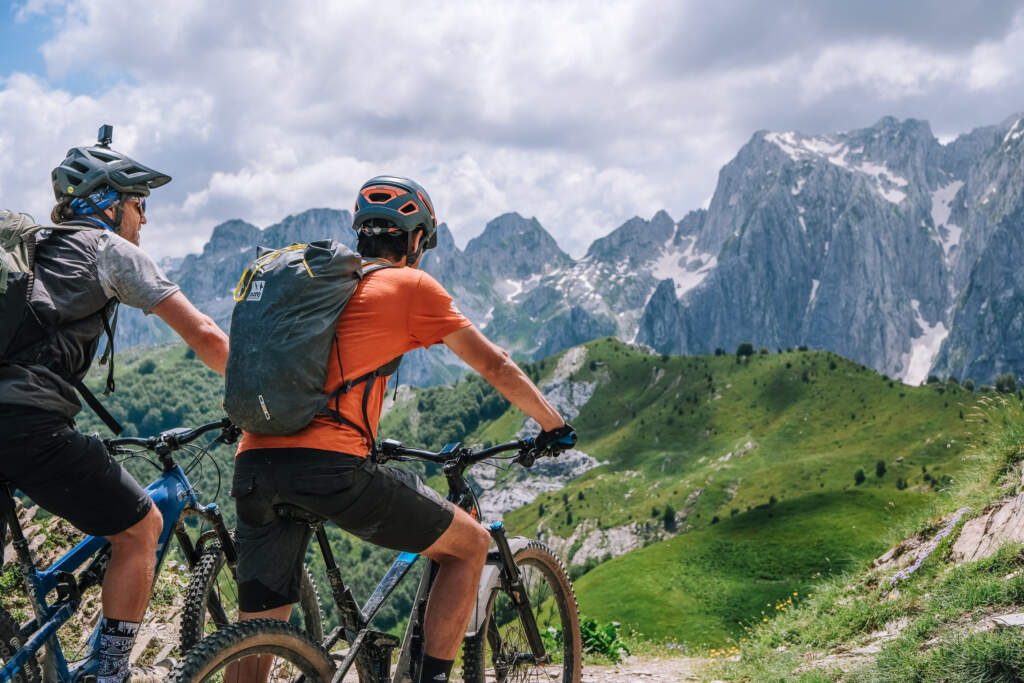
There is also a growing need to recognise that international adventure travel carries an environmental cost, particularly when long-distance flights are involved. Travelling less frequently but staying longer, and combining several experiences within one journey, may help reduce the impact per day of travel.
Ultimately, responsible travel begins with recognising that mountain communities are places where people live, not simply landscapes created for visitors.
Different mountains, shared lessons
The Ethiopian highlands and the Western Balkans have different histories, environments and tourism industries. Yet both demonstrate the potential of adventure tourism to create opportunities in remote regions.
The experience of the Peaks of the Balkans shows how family-run accommodation, local entrepreneurship and cross-border cooperation can support rural development. Ethiopia’s mountain destinations highlight the importance of protecting extraordinary biodiversity while creating meaningful opportunities for communities living close to protected areas.
Neither model is perfect, and neither can simply be copied from one destination to another. But the underlying principle is universal: successful mountain tourism should leave both the environment and local communities in a stronger position.
For travellers interested in experiencing these ideas firsthand, Travel Ethiopia introduces visitors to the country’s remarkable natural and cultural heritage.
In southeastern Europe, Balkan Natural Adventure‘s Peaks of the Balkans treks provide an opportunity to discover a mountain region where local hospitality and community-based tourism have become central parts of the visitor experience.